Qurtuba: capital of Al-Andalus
Three centuries in which an Andalusian city was the beacon of the medieval Mediterranean.
The birth of al-Andalus
Qurtuba is the name by which the Islamic world knew Córdoba for centuries. Under this name, between the 8th and 11th centuries, the city became one of the great capitals of the world: head of the Western Umayyad Emirate and, later, of the Caliphate of Córdoba.
It all began in 756, when Abd al-Rahman I, the last surviving Umayyad prince after his family's massacre in Damascus, crossed the Mediterranean and founded an independent emirate in al-Andalus. From then on, Córdoba ceased to be a provincial Roman town and became a refined court open to Eastern knowledge.
The Caliphate of Córdoba
In 929 Abd al-Rahman III took the decisive step: he proclaimed himself caliph, breaking with Baghdad, and raised Córdoba to the rank of political, spiritual and cultural capital of all al-Andalus. His son al-Hakam II took that splendor to its peak, gathering in the city a legendary library and attracting scholars from across the Islamic world.
The Mezquita and Medina Azahara
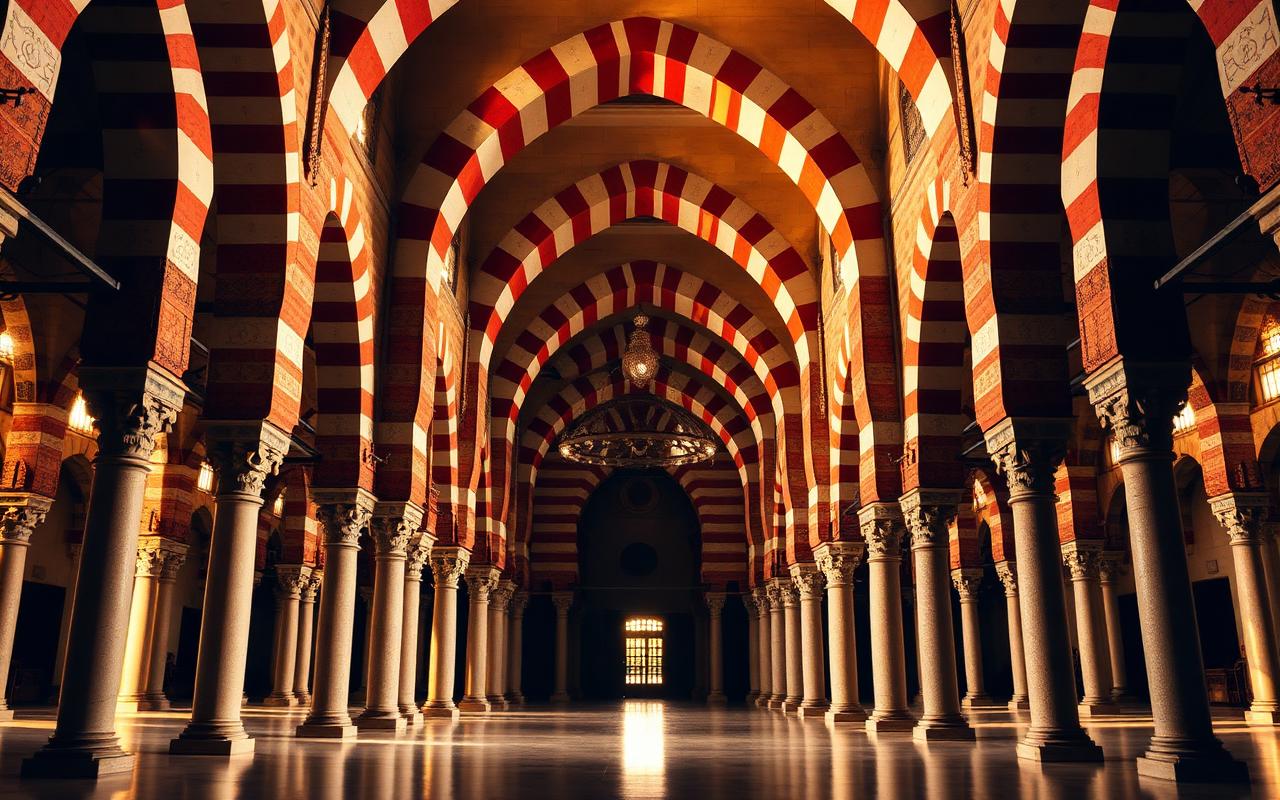
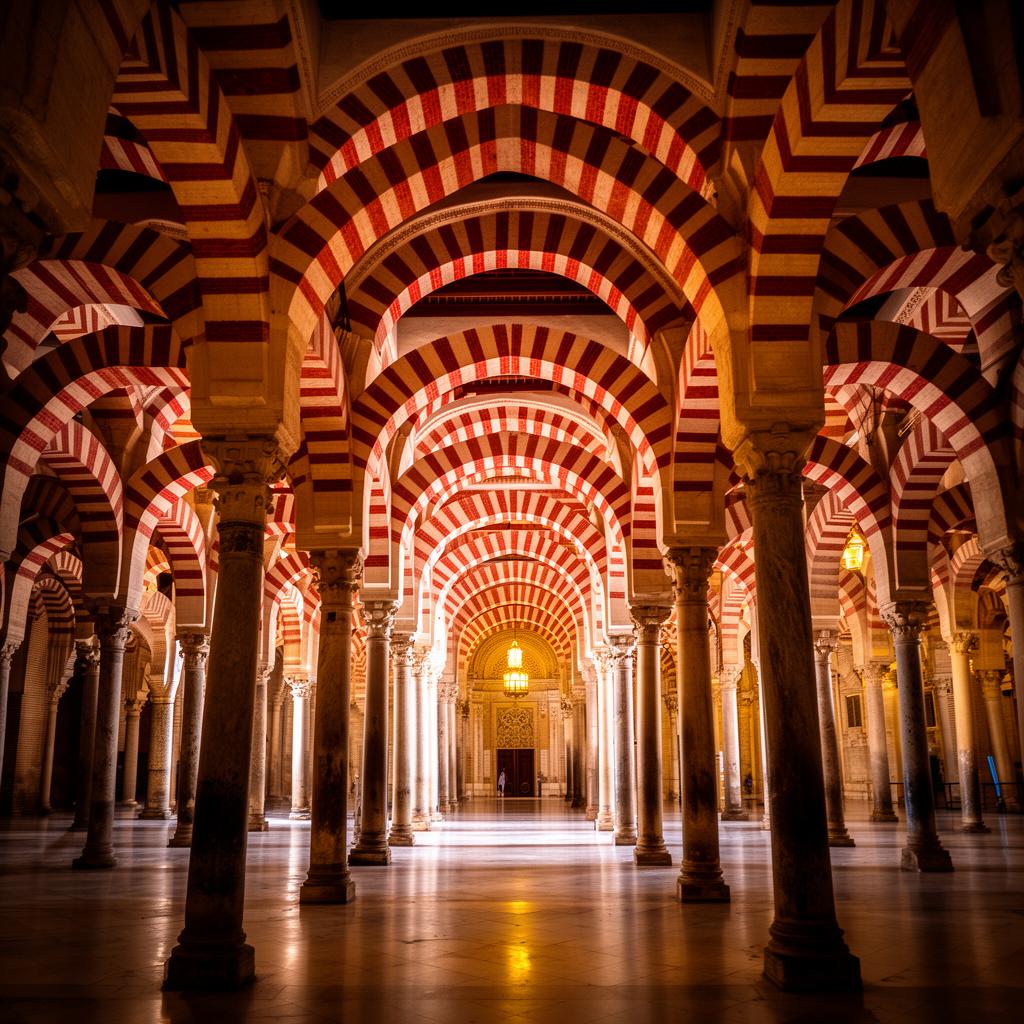
The Mosque of Córdoba was the heart of that society: religious symbol, political space and continuous work of art, expanded by four generations of rulers. A few kilometers away, Medina Azahara, the palace city, dazzled embassies from Byzantium, the Holy Roman Empire and the northern Christian kingdoms.
Science, libraries and water
Muslims, Jews and Christians lived together in its streets. Physicians, astronomers, philosophers, poets, jurists and musicians made Qurtuba a cultural laboratory. Arabic, Latin and Romance were spoken here, Aristotle was translated and the oud was refined. Medicine, agronomy, mathematics and mysticism travelled from Córdoba to all of Europe.
Water was the soul of the city: channels, cisterns, public baths and patios cooled homes and mosques. That culture of water and greenery still lives today in the Patios, the Caliphal Baths and modern hammams.
The end of the Caliphate and its legacy
After the fitna of 1031 the Caliphate fragmented. In 1236 Ferdinand III took the city and a new Christian era began. But Qurtuba did not disappear: it pulses in every two-tone arch, every whitewashed patio, every evening by the Guadalquivir. This section will guide you to discover it.
The Independent Emirate
Abd al-Rahman I founds in 756 an autonomous Umayyad court that opens Córdoba to Eastern culture.
The Caliphate of Córdoba
Abd al-Rahman III breaks with Baghdad and raises Córdoba to political, religious and cultural capital of al-Andalus.
Mezquita and Medina Azahara
Four generations expanded the Great Mosque; Medina Azahara was the palace city that dazzled the world.
Libraries, scholars and patios
Physicians, astronomers and philosophers made Qurtuba a beacon of knowledge; water and patios were its daily soul.
- •756
Abd al-Rahman I founds the independent Emirate.
- •785
Construction of the Great Mosque begins.
- •929
Abd al-Rahman III proclaims the Caliphate of Córdoba.
- •936
Medina Azahara, the palace city, is founded.
- •961–976
Al-Hakam II: libraries, science and the golden mihrab.
- •1010
Sack of Medina Azahara during the fitna.
- •1236
Ferdinand III conquers Córdoba; the Mezquita is consecrated as a cathedral.
Explore the history by themes
Emirate of Córdoba
The independent Emirate was founded in 756 by Abd al-Rahman I, the last surviving Umayyad prince.
See more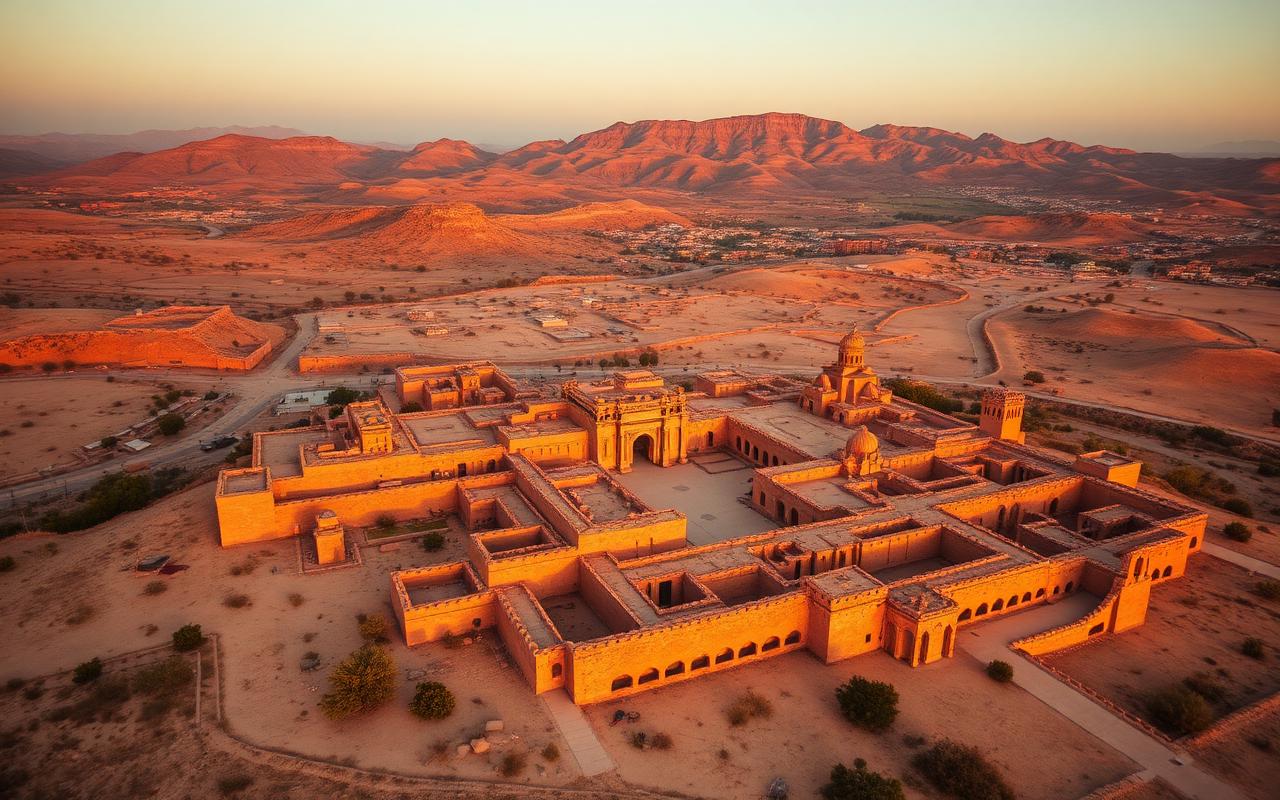
Caliphate of Córdoba
In 929 Abd al-Rahman III proclaimed himself caliph, breaking with Baghdad and opening al-Andalus' golden century.
See moreAbd al-Rahman I
Nicknamed 'the Immigrant', he escaped the Umayyad massacre and refounded the dynasty in al-Andalus.
See moreAbd al-Rahman III
The first caliph of the West. He pacified al-Andalus, defeated his enemies and founded Medina Azahara.
See more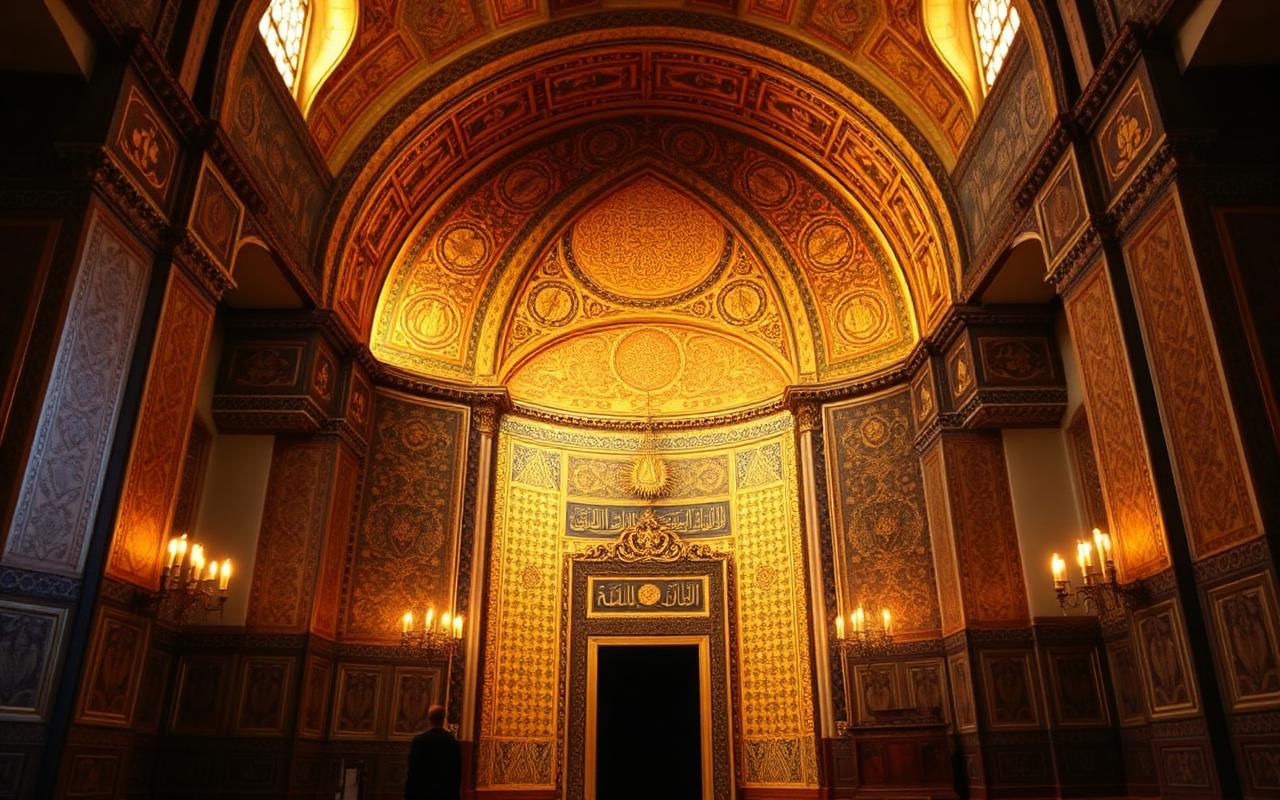
Al-Hakam II
Son of Abd al-Rahman III, patron of the arts and legendary bibliophile.
See moreAl-Mansur and the end of splendor
Strongman of the caliphate under Hisham II, he led the Andalusi army to its military peak.
See moreThe Mosque of Córdoba
Begun in 785 over a Visigothic basilica, it was expanded by four generations of rulers.
See moreMedina Azahara
The 'shining city' founded by Abd al-Rahman III in 936, 8 km from Córdoba.
See more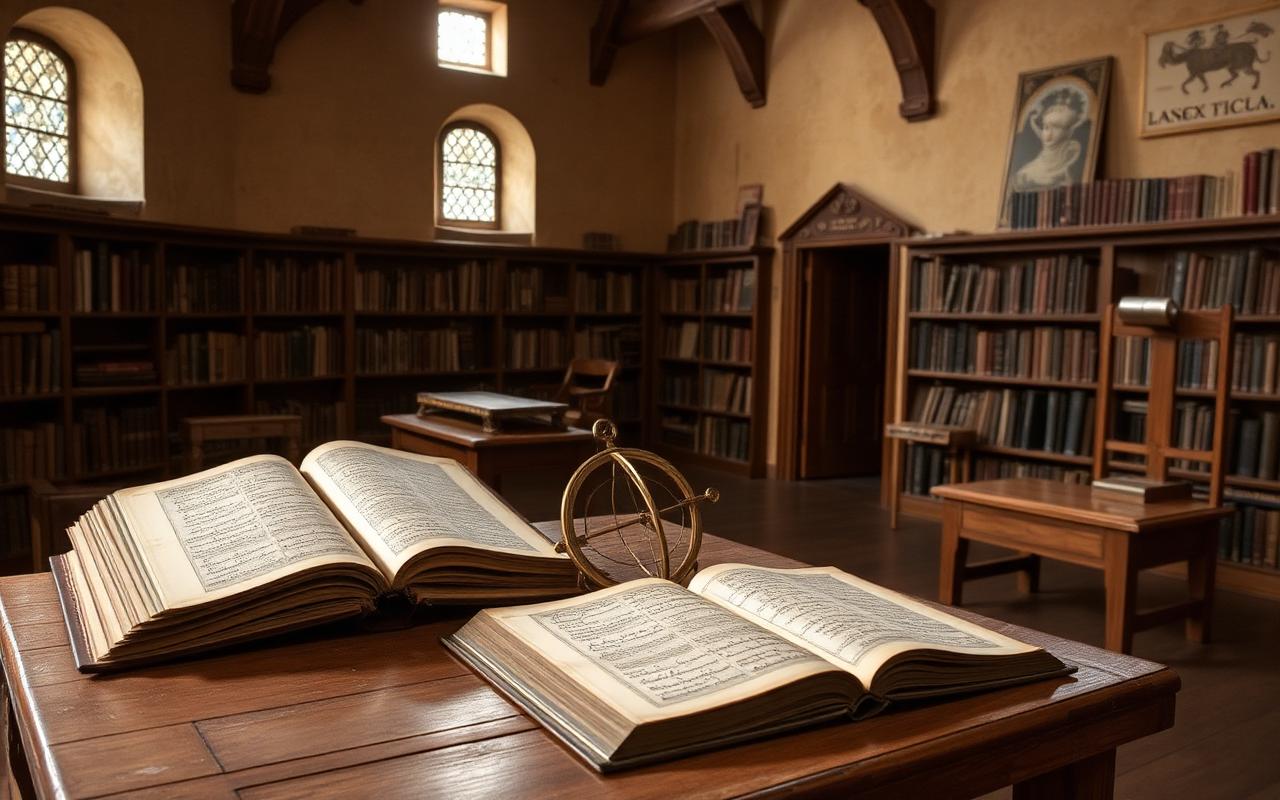
Scholars, libraries and science
Qurtuba was the greatest center of knowledge in the medieval Mediterranean.
See more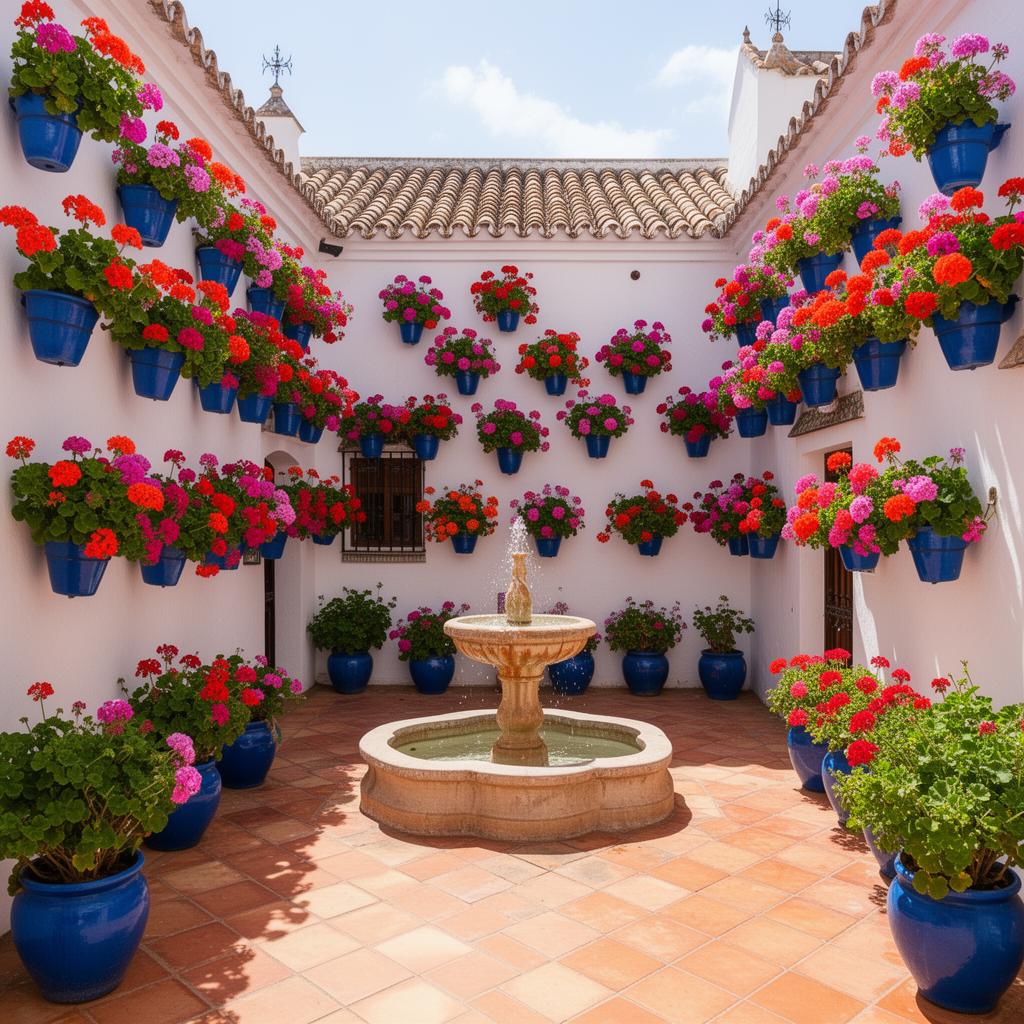
Water, gardens and baths
Water was the soul of the Andalusi city: in patios, fountains, baths and gardens.
See more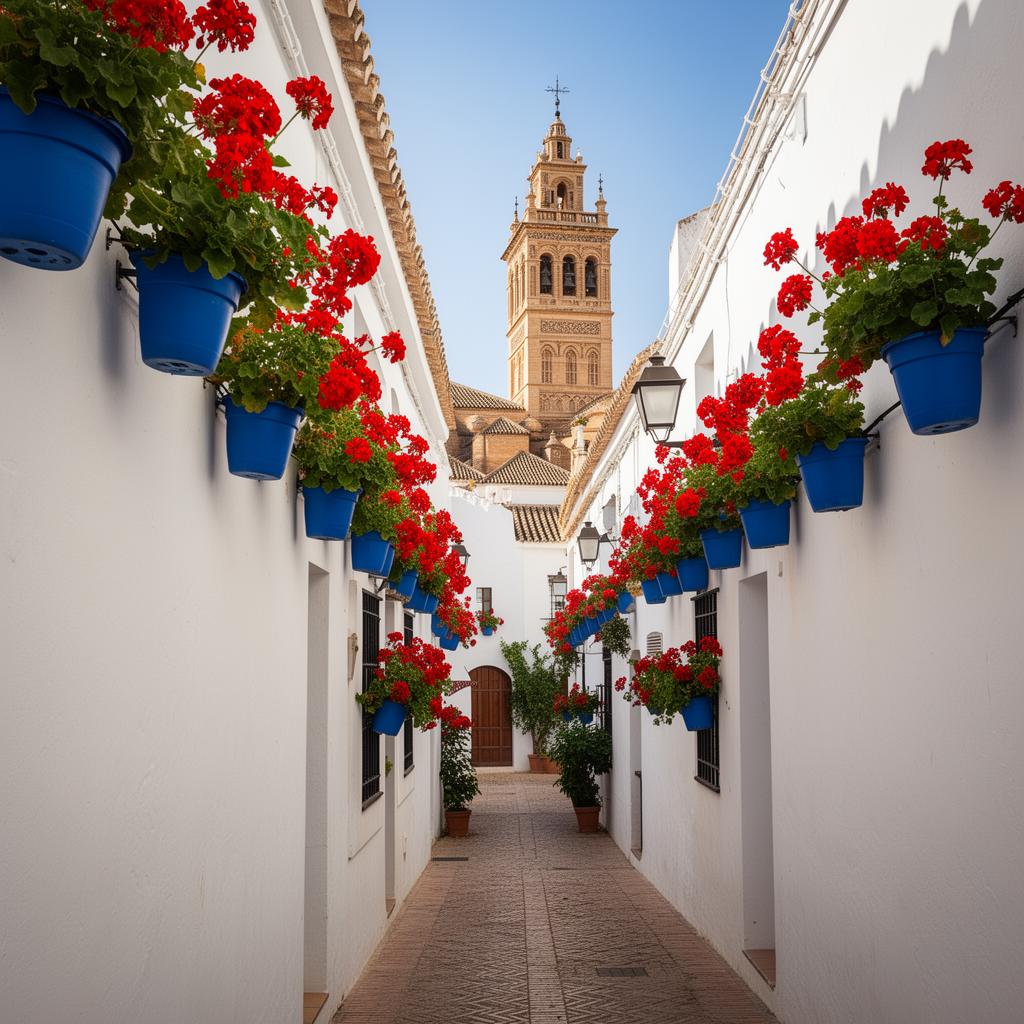
Jewish Córdoba in Andalusi times
Córdoba's Sephardic community was one of the most influential in the medieval world.
See more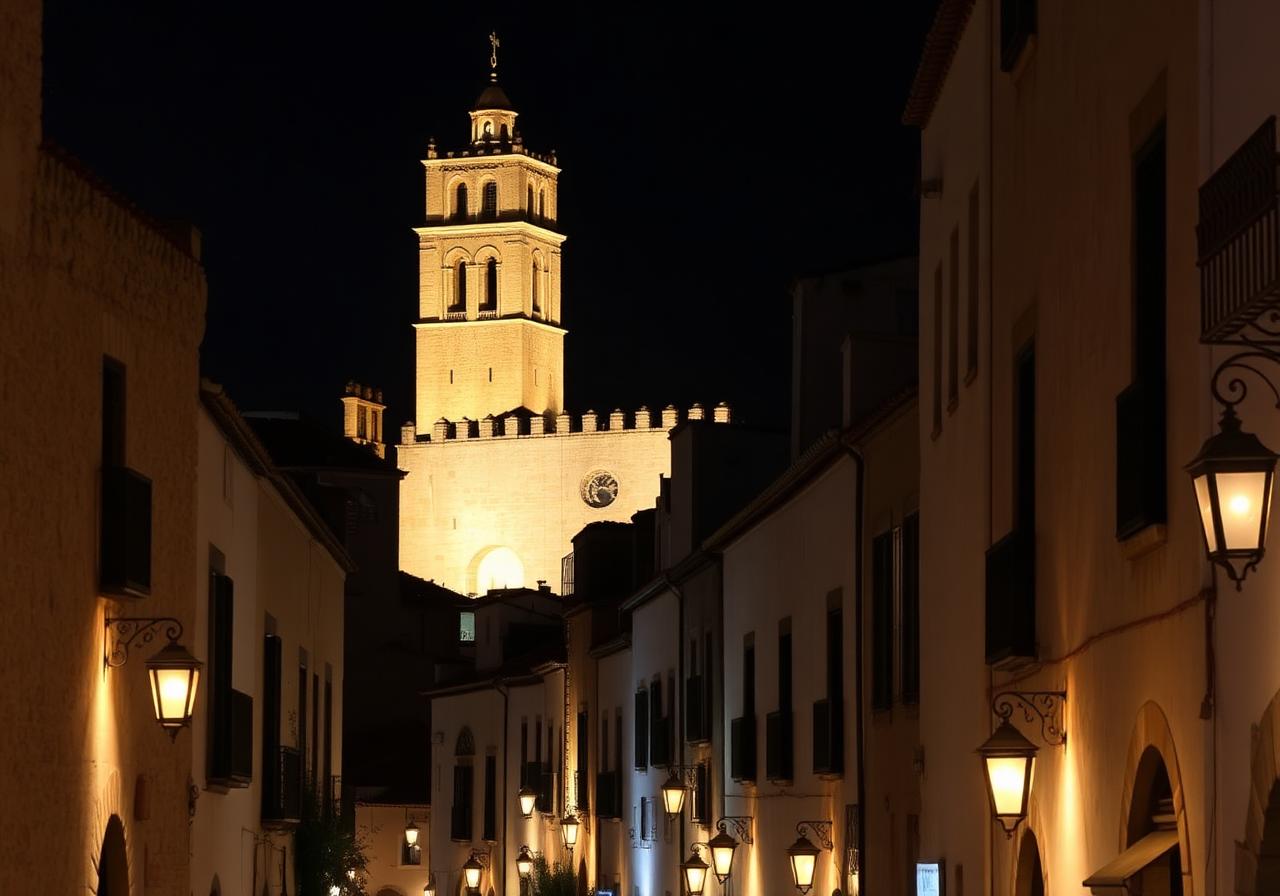
From Qurtuba to Christian Córdoba
In 1236 Ferdinand III took the city. A new era began, without fully erasing the previous one.
See more